Most science olympiads test how well you know a subject — can you solve the hardest physics problem, name the reaction mechanism, build the fastest robot. Research is a different skill entirely. It's reading a paper and figuring out if the conclusion actually follows from the data. It's designing a study that isn't secretly broken. It's writing up an ambiguous result honestly instead of overselling it. Nobody was testing that.
That's the gap IRO was built for — an olympiad where the subject is research itself, not any one field.
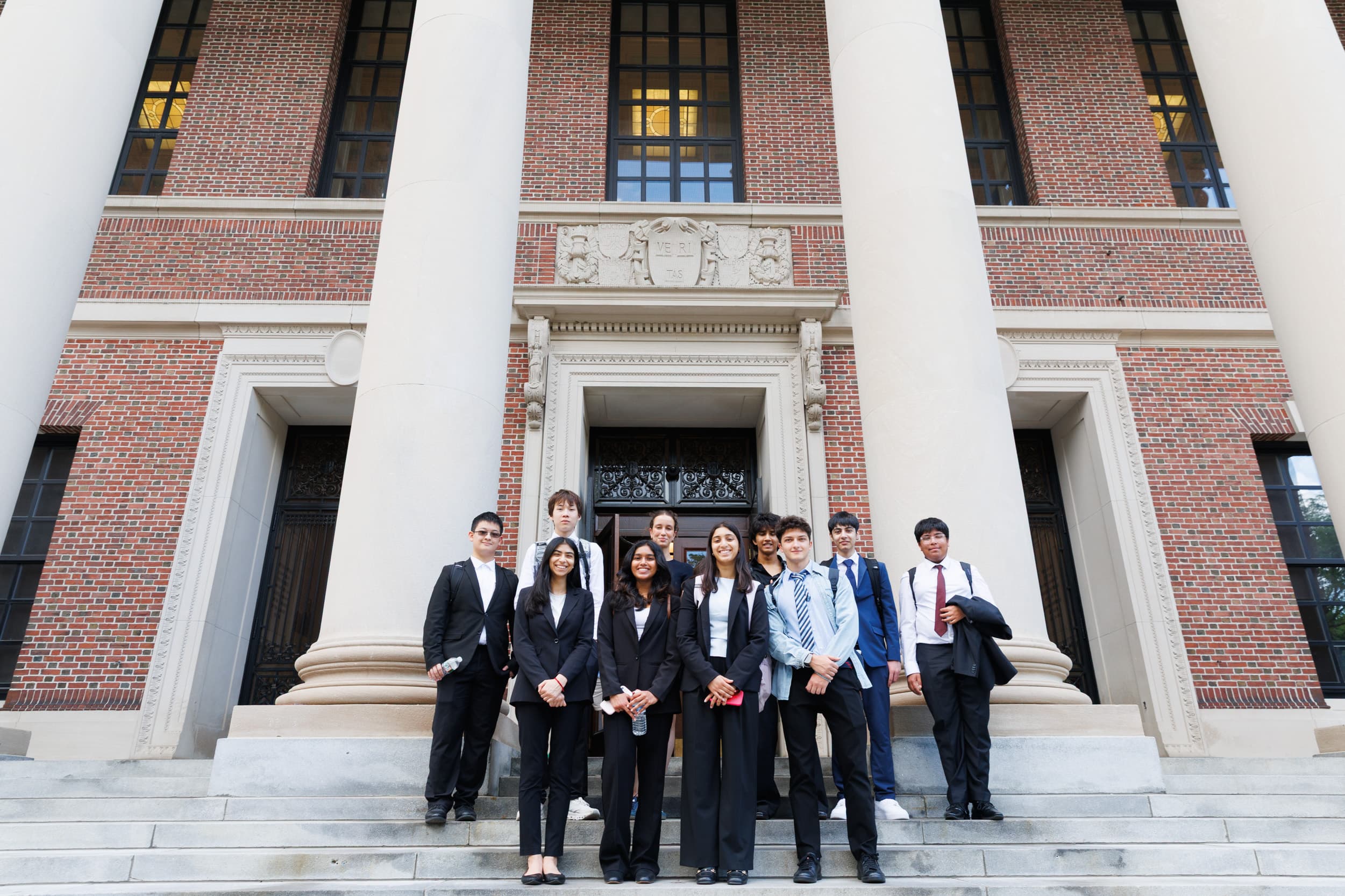
The competition runs in three stages: an open exam (research paper analysis, data interpretation, some multiple choice), a semifinal, and an in-person final at Harvard, with travel funded for finalists. Unlike most olympiads, it's not tied to biology or chemistry or physics — the same skills apply whether you're picking apart a genomics paper or a materials science one, so students from any background can compete on equal footing.
It started small and has grown into something bigger than I expected.
Reach
13,000+
Students
89+
Countries
200+
Research clubs
15+
Volunteer staff
We built the whole exam pipeline and a 32-question curriculum from scratch, which was honestly the hardest part — writing questions that actually test judgment instead of just recall is much harder than it sounds.
We also kept it need-blind from day one — fee waivers for low-income students, no part of registration fees going to anyone running it, everything reinvested into the exams and the platform. That mattered to me more than almost anything else about how we built it.
What I like most is that it gives students a real taste of research before they'd normally get one — most people don't encounter this kind of thinking until a college lab or grad school. IRO gets a 15-year-old there a lot earlier.
Links: